Print-on-demand success stories you can learn from

A focused set of POD examples that show real business patterns, then point you toward the suppliers, tools, comparisons, and guides that help you act on them.

9
Store examples
4
Channel patterns
3
Next-step paths

Use these as patterns, not guarantees

These examples are summarized from public storefront and listing metadata. Launch years and sales references are directional signals, not audited performance data or earnings promises. Use them to spot repeatable niche, channel, and product patterns before choosing suppliers or tools.

Featured examples

POD examples with a clear lesson

Each example is included because it has a recognizable niche, channel, product format, or operating pattern worth studying.

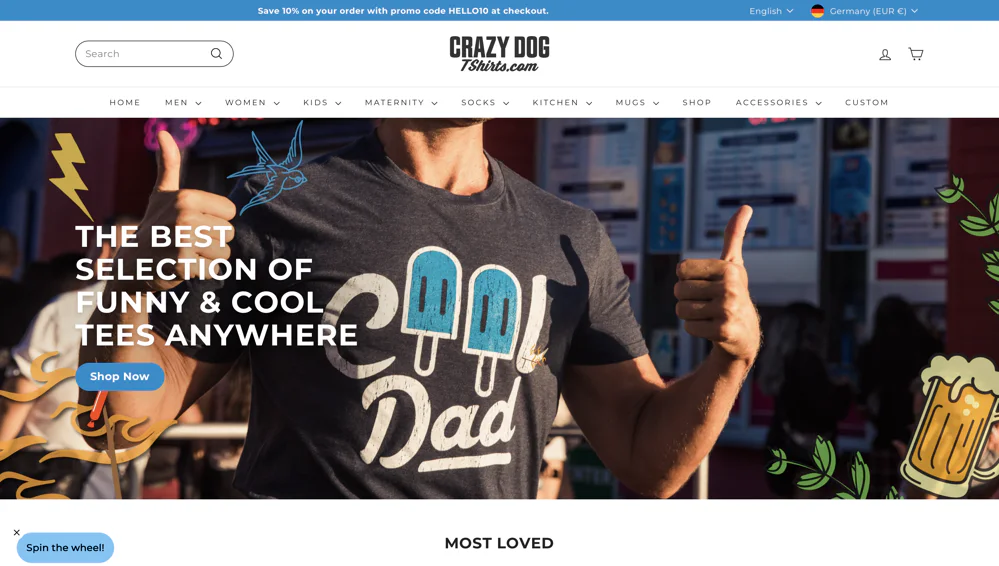
Crazy Dog T-Shirts storefront example
Shopify
Launched 2023POD example

Crazy Dog T-Shirts

Humor-led t-shirts built around fast-moving angles

A humor and American-themed apparel example listed as a Shopify store launched in 2023.

HumorAmericanT-shirts
Pattern to notice

Humor stores need clear audience cues and a repeatable design engine, not just one viral slogan.
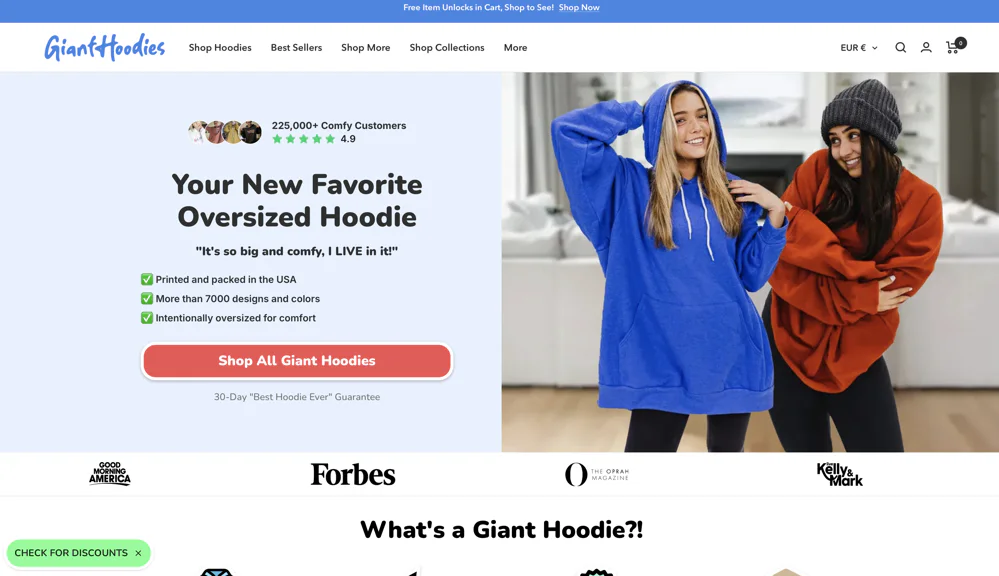
Giant Hoodies storefront example
Shopify
Launched 2020POD example

Giant Hoodies

Oversized hoodie positioning as the product hook

A Shopify example centered on oversized hoodies, listed as launched in 2020.

Oversize hoodiesApparel
Pattern to notice

A narrow product promise can make the store easier to understand than a broad general merch catalog.

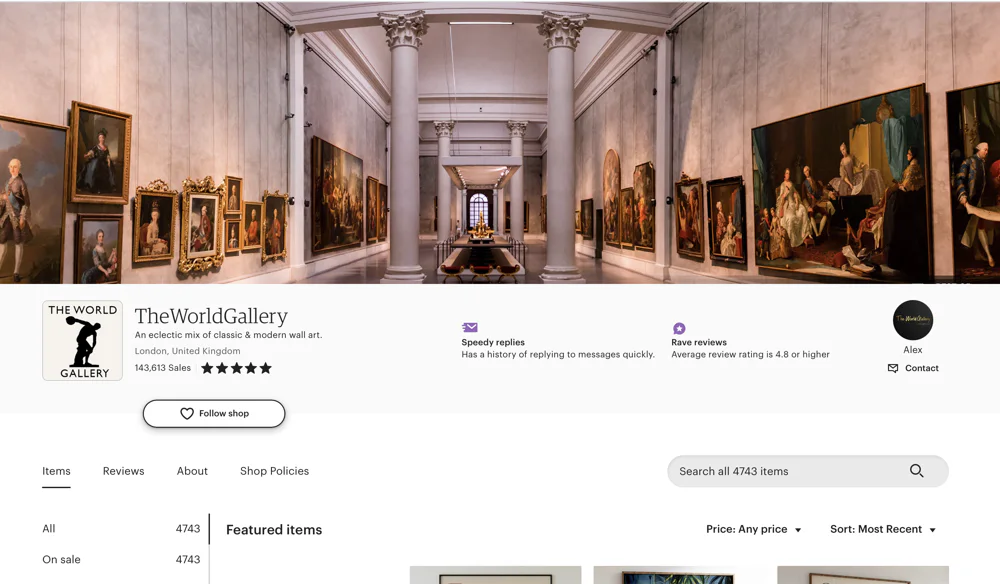
TheWorldGallery storefront example
Etsy
Launched 2020POD example

TheWorldGallery

Etsy poster demand with a clear art niche

An Etsy art and poster example listed as launched in 2020. The source listing references 140k Etsy sales.

ArtPosters
Pattern to notice

Marketplace-native stores can win when the product format, search intent, and design style line up.

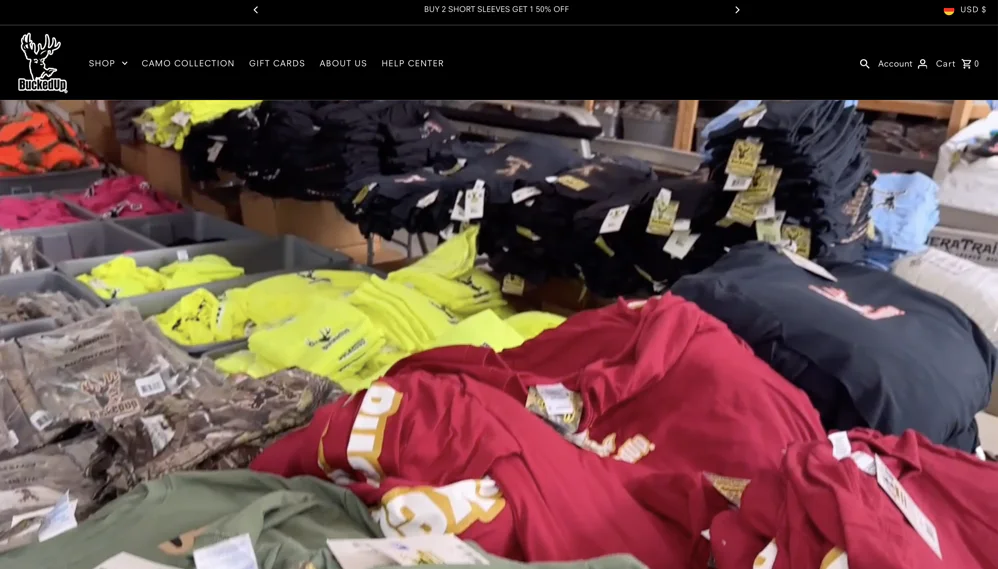
BuckedUp Apparel storefront example
Shopify
Launched 2005POD example

BuckedUp Apparel

Hunting tees with a long-running Shopify footprint

A niche apparel example focused on hunting and nature themes, listed as a Shopify store launched in 2005.

HuntingNatureApparel
Pattern to notice

Specific audiences can support durable POD catalogs when the theme is clear and repeatable.

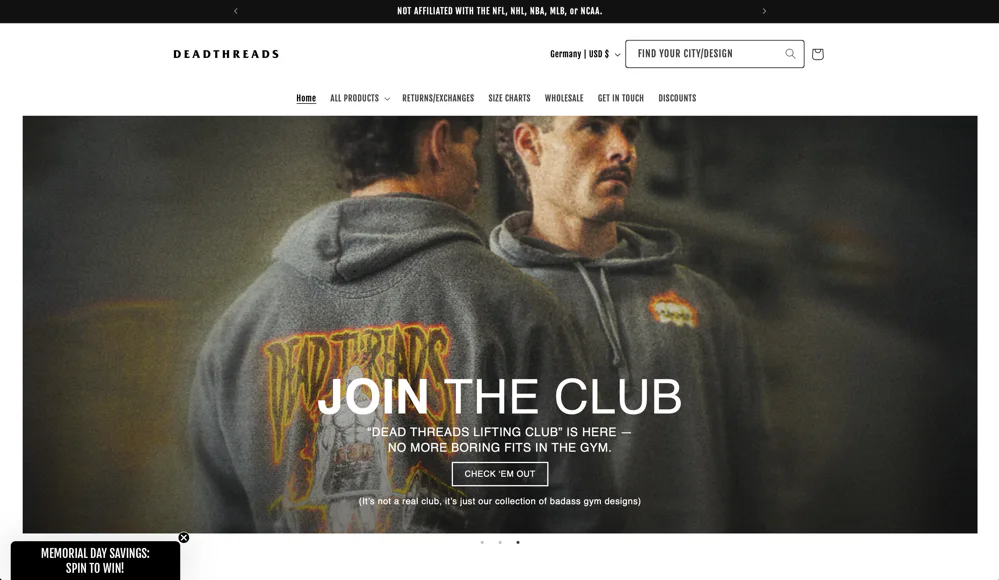
Dead Threads Apparel storefront example
Shopify
Launched 2023POD example

Dead Threads Apparel

Sports-themed apparel with a tighter niche signal

A Shopify sports apparel example listed as launched in 2023.

SportsApparel
Pattern to notice

Sports-led apparel works best when the catalog has a recognizable fan, activity, or identity angle.

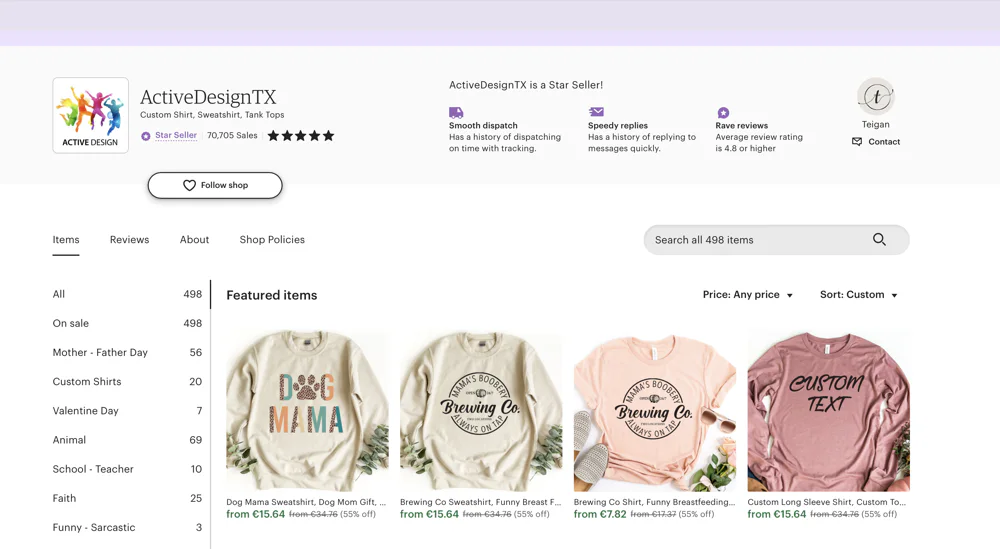
ActiveDesignTX storefront example
Etsy
Launched 2022POD example

ActiveDesignTX

Personalized Etsy products with broad gift intent

An Etsy example listed as launched in 2022, focused on personalized and varied products.

PersonalizedGiftsVarious
Pattern to notice

Personalized storefronts need clear templates and search-friendly product framing to avoid feeling too broad.

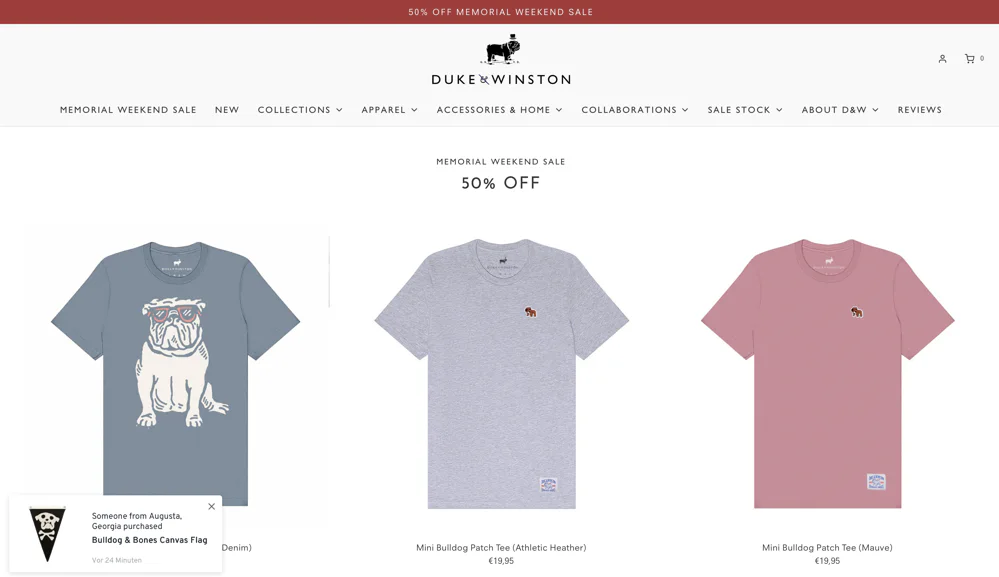
Duke & Winston storefront example
Shopify
Launched 2008POD example

Duke & Winston

Pet identity merch anchored by a clear mascot theme

A Shopify example listed as launched in 2008, focused on bulldog and pet themes.

BulldogPetsApparel
Pattern to notice

Mascot-led brands can make merch feel more ownable because the audience understands the identity instantly.

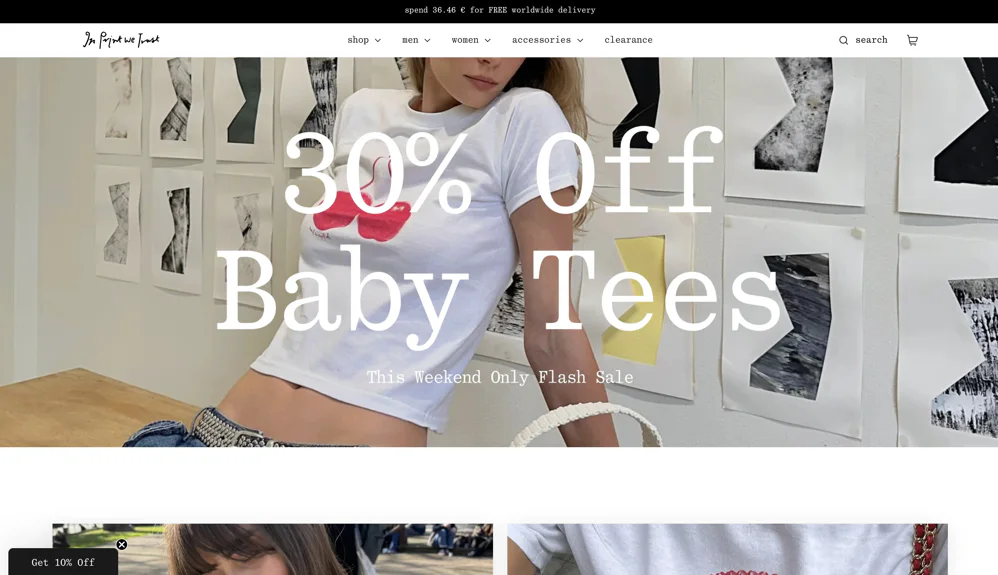
In Print We Trust storefront example
Shopify
Launched 2022POD example

In Print We Trust

Influencer and graphics-led Shopify positioning

A Shopify example listed as launched in 2022, focused on influencer and graphics-led products.

InfluencerGraphicsApparel
Pattern to notice

Design-led stores need a consistent visual language so the brand feels intentional across many SKUs.

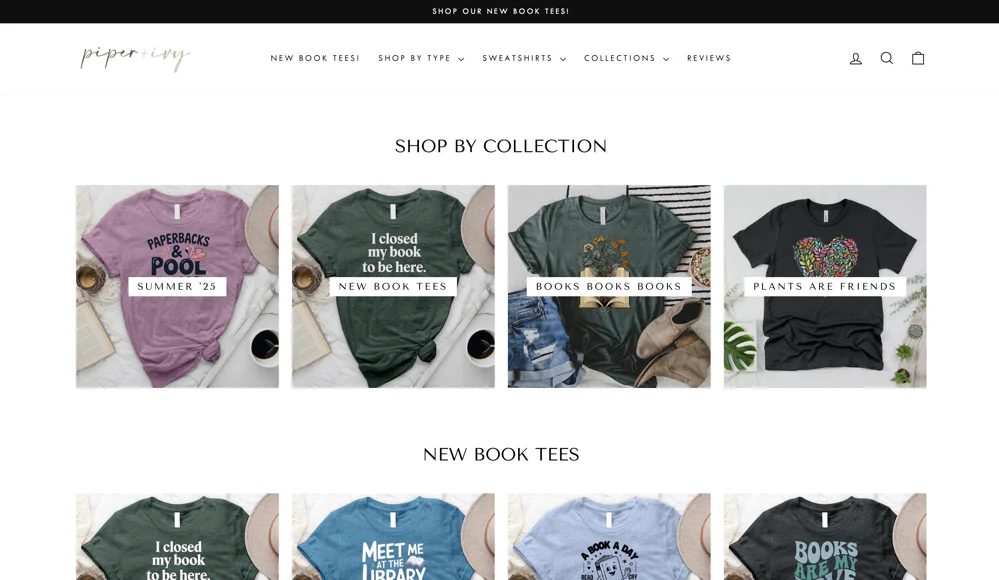
Piper and Ivy storefront example
Shopify
Launched 2020POD example

Piper and Ivy

Book-lover merch with a specific buyer identity

A Shopify example listed as launched in 2020, focused on books and book-lover themes.

BooksBook loversGifts
Pattern to notice

Interest-based stores become easier to merchandise when the buyer identity is obvious and emotionally specific.

Patterns

What these POD examples have in common

The useful part is pattern recognition: what kind of product, channel, audience, or workflow makes the store easier to understand.

The best examples are not generic stores

Each strong story has a clear niche, product angle, audience, or channel advantage. That makes the example useful even when you only need the pattern.

Channel fit changes the playbook

Shopify examples lean on brand control and repeat visitors. Etsy examples lean more on search demand, product specificity, and marketplace trust.

Product focus helps users understand the business

Oversized hoodies, posters, sports apparel, pet merch, and book-lover products are easier to reason about than broad catalogs with no obvious buyer context.

Supplier and tool links need evidence

A story should only point to a specific supplier or tool when that relationship is clear. Otherwise, broader discovery pages are more useful.

Decision bridges

Turn inspiration into a next step

Move from a story pattern into supplier research, tool discovery, comparisons, or beginner guides.

Find suppliers behind similar products

Move from inspiration into supplier discovery by product type or fulfillment need.

Compare channels and partners

Use comparisons when the next question is platform, supplier model, or tradeoff fit.

Build the operating system

Tools and guides help turn a pattern into repeatable design, mockup, marketing, and supplier workflows.

Want the next success story update?

Get curated POD examples, supplier research, and practical operating notes when the page is refreshed.

No spam. Unsubscribe anytime. See our Privacy Policy.